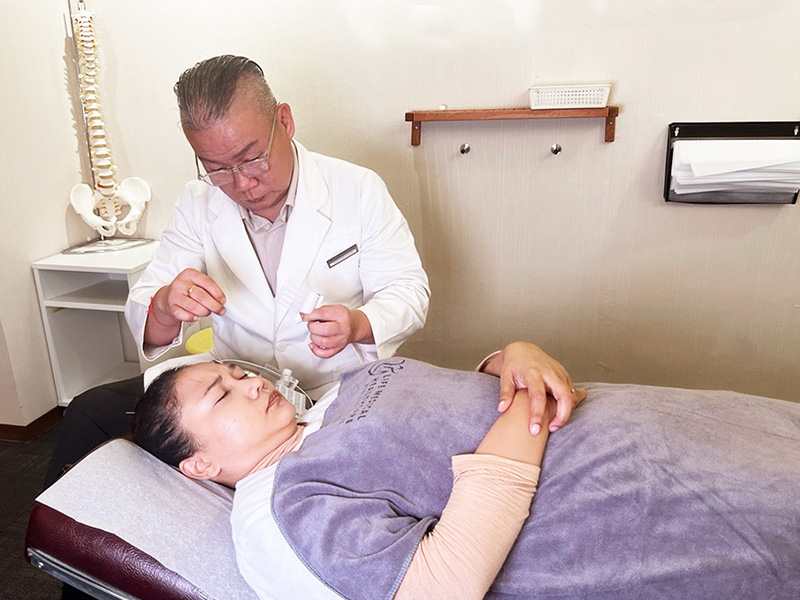
What if the remedy to recovery wasn’t tucked inside another prescription but had been coursing through you all along? That’s the magic of TCM acupuncture, a healing method that taps into your body’s natural energy to restore balance, ease pain, and promote deep, lasting wellness.
And it goes beyond needles, as TCM Acupuncture is a path to better health, enhanced focus, emotional clarity, and disease prevention, with no side effects. As greater numbers of Singaporeans explore natural, drug-free options, this age-old practice is coming back in a big way. Let’s discover how this ancient therapy is transforming modern lives and potentially solving a piece of your wellness puzzle.
What Is TCM Acupuncture?
Acupuncture TCM is one of the world’s oldest and most venerable healing systems. Based on Traditional Chinese Medicine (TCM)—a holistic health practice that dates back over 2,500 years—it’s believed that the process helps by inserting ultra-fine needles at specific points on the body, also called acupoints.
Every acupoint is located on a meridian, or energy pathway, which was created to move the Qi (energy) across the body. Disease happens when Qi is obstructed, slowed, or in disorder. Acupuncture gently stimulates these points to re-establish flow, balance the organs, and activate the body’s healing ability.
Western medicine typically treats isolated symptoms, while TCM considers the body to be a whole. And that’s why, for many conditions, acupuncture is effective for much more than easing pain.
How Does Acupuncture Work?
Acupuncture can be understood mechanistically from both a TCM perspective and a scientific paradigm:
TCM View:
According to Traditional Chinese Medicine, the body is crisscrossed with meridians — invisible energy pathways that connect organs, tissues, and emotions. Each acupoint lies on a meridian and is tied to a particular physiological function. By stimulating these points, acupuncture can:
- Regulate organ systems
- Balance Yin and Yang
- Promote the flow of Qi and blood
- Dissipate “pathogenic factors” like heat, dampness, or cold
Modern View:
Western medical research has discovered that acupuncture triggers:
- Endorphin release: Natural painkillers that relieve discomfort
- Improved circulation: Increases blood flow to targeted areas
- Nervous system modulation: Influences brain signals, reducing stress and inflammation
- Hormonal regulation: Balances stress hormones like cortisol and supports reproductive health
Common Health Conditions Treated with TCM Acupuncture
One of the most compelling reasons people turn to TCM acupuncture is its broad application across various health issues. Let’s take a closer look at the conditions it effectively treats:
| Condition | How Acupuncture Helps |
| Chronic Pain | Relieves back pain, neck tension, arthritis, and migraines by releasing endorphins and relaxing muscles |
| Stress & Anxiety | Reduces cortisol levels, calms the nervous system, and improves mood |
| Insomnia | Regulates sleep cycles and calms the mind |
| Infertility | Enhances reproductive hormone balance and improves uterine blood flow |
| Digestive Disorders | Treats IBS, acid reflux, bloating, and constipation |
| Menstrual Issues | Alleviates PMS, cramps, and irregular periods |
| Allergies | Modulates the immune response to reduce symptoms like sneezing and congestion |
| Skin Problems | Treats acne, eczema, and psoriasis by addressing internal imbalances |
Whether you’re dealing with a nagging backache or fertility concerns, acupuncture may provide a drug-free and sustainable alternative.
What to Expect During a TCM Acupuncture Session
If you’ve never tried acupuncture before, the thought of needles might sound intimidating. But rest assured, it’s virtually painless and deeply relaxing. Here’s what typically happens:
1. Consultation & Diagnosis
Your acupuncturist begins by asking about your medical history, symptoms, lifestyle, and emotional well-being. They may examine your tongue, pulse, and facial complexion — essential diagnostic tools in TCM.
2. Treatment Plan
Based on your condition, the practitioner will select specific acupoints that address your symptoms and root imbalances.
3. Needle Insertion
Sterile, hair-thin needles are gently inserted into targeted points. You might feel a dull ache, tingling, or warmth — a sign that your Qi is being activated.
4. Rest & Relaxation
The needles remain in place for 20–30 minutes while you lie still. Many people report feeling deeply calm or even falling asleep.
5. Post-Treatment Effects
You may feel energized, relieved of pain, or emotionally balanced after the session. Some people experience temporary fatigue or mild soreness, a normal part of the healing process.
Why More People Are Choosing Acupuncture Over Medication
In a society overwhelmed by synthetic drugs and side effects, acupuncture offers a refreshing alternative. It treats not just the symptoms but the underlying cause of the disease. Here’s why it’s gaining popularity:
- Fewer side effects compared to pharmaceuticals
- Personalized treatment for the whole body and mind
- Complementary to other treatments like physiotherapy or Western medicine
- Non-invasive and natural
- Promotes long-term healing, not just short-term relief
The Science Behind Acupuncture: What Research Says
Acupuncture is no longer considered “fringe.” Numerous clinical studies support its effectiveness. According to the World Health Organization (WHO), acupuncture can treat over 100 medical conditions.
Key Scientific Findings:
- A 2022 meta-analysis in JAMA Internal Medicine found that acupuncture significantly reduces chronic pain in conditions like osteoarthritis, migraines, and back pain.
- Harvard researchers discovered that acupuncture improves brain function and lowers inflammation markers.
- In fertility clinics, women who undergo acupuncture alongside IVF treatments show higher success rates.
Is TCM Acupuncture Right for You?
Acupuncture can benefit almost everyone, but it works best when tailored to your body. Consider giving it a try if:
- You’re seeking natural, side-effect-free treatments
- You’ve tried medications without success
- You’re open to holistic healing
- You want to treat the root cause, not just the symptoms
Still, certain conditions like bleeding disorders or pacemakers require caution. Always consult a licensed practitioner and your physician if unsure.
How Often Should You Do Acupuncture?
Treatment frequency depends on the condition’s severity, duration, and your overall health.
- Acute issues: 1–2 sessions per week
- Chronic conditions: Weekly or biweekly over several months
- Maintenance and prevention: Once a month
Many people incorporate acupuncture into their regular wellness routine, much like massage or yoga.
TCM Acupuncture vs. Dry Needling: Know the Difference
Though both use needles, acupuncture and dry needling are not the same.
| Aspect | TCM Acupuncture | Dry Needling |
| Origin | Traditional Chinese Medicine | Western biomedical model |
| Philosophy | Holistic balance of Qi and organs | Muscle trigger point therapy |
| Scope | Treats physical, emotional, and internal disorders | Focused on muscular pain only |
| Practitioner | Licensed TCM professionals | Often physiotherapists or chiropractors |
If you’re looking for comprehensive healing, TCM acupuncture offers far greater depth and scope.
TCM Acupuncture: Beyond the Needles
Acupuncture is often combined with other TCM techniques to enhance results, including:
- Cupping Therapy: Creates suction on the skin to improve circulation
- Moxibustion: Burns a herb (mugwort) near the skin to warm meridians
- Herbal Medicine: Customized formulas that complement acupuncture
- Tui Na Massage: Hands-on therapy that manipulates muscles and joints
These synergistic treatments provide a more integrated healing experience, supporting your body from multiple angles.
Finding a Trustworthy TCM Practitioner
Choosing the right practitioner makes all the difference. Look for someone who:
- Holds accreditation from a TCM board
- Has extensive experience with your condition
- Offers personalized, patient-centric care
- Maintains hygiene and uses sterile, single-use needles
A good TCM acupuncturist is not just a technician but a healer and partner in your wellness journey.
Conclusion
TCM acupuncture is not a trend; it’s a transformational healing system with centuries of wisdom behind it. It’s about listening to your body, understanding its signals, and guiding it back to a natural state of balance.
Don’t settle for just managing symptoms. Let acupuncture open the door to true, holistic wellness.
Ready to Experience the Healing Power of TCM Acupuncture?
Visit Life Medical Healthcare today and book a consultation with our certified TCM experts.
Let us help you reclaim your vitality—the natural way.
Experience one of the best TCM clinics in Singapore, where ancient wisdom meets modern care.