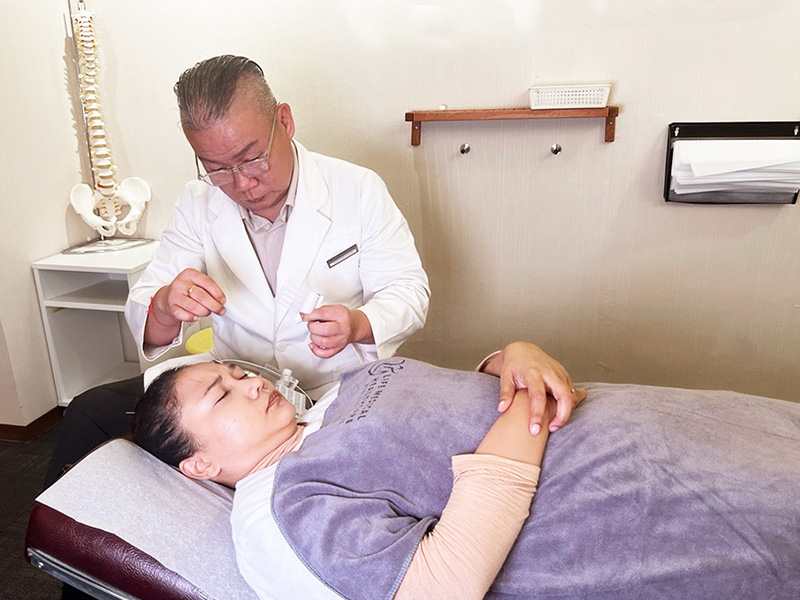
What if the remedy to recovery wasn’t tucked inside another prescription but had been coursing through you all along? That’s the magic of TCM acupuncture, a healing method that taps into your body’s natural energy to restore balance, ease pain, and promote deep, lasting wellness. And it goes beyond needles, as TCM Acupuncture is a path to better health, enhanced focus, emotional clarity, and disease prevention, with no side effects. As greater numbers of Singaporeans explore natural, drug-free options, this age-old practice is coming back in a big way. Let’s discover how this ancient therapy is transforming modern lives and potentially solving a piece of your wellness puzzle. What Is TCM Acupuncture? Acupuncture TCM is one of the world’s oldest and most venerable healing systems. Based on Traditional Chinese Medicine (TCM)—a holistic health practice that dates back over 2,500 years—it’s believed that the process helps by inserting ultra-fine needles at specific points on the body, also called acupoints. Every acupoint is located on a meridian, or energy pathway, which was created to move the Qi (energy) across the body. Disease happens when Qi is obstructed, slowed, or in disorder. Acupuncture gently stimulates these points to re-establish flow, balance the organs, and activate the body’s healing ability. Western medicine typically treats isolated symptoms, while TCM considers the body to be a whole. And that’s why, for many conditions, acupuncture is effective for much more than easing pain. How Does Acupuncture Work? Acupuncture can be understood mechanistically from both a TCM perspective and a scientific paradigm: TCM View: According to Traditional Chinese Medicine, the body is crisscrossed with meridians — invisible energy pathways that connect organs, tissues, and emotions. Each acupoint lies on a meridian and is tied to a particular physiological function. By stimulating these points, acupuncture can: Modern View: Western medical research has discovered that acupuncture triggers: Common Health Conditions Treated with TCM Acupuncture One of the most compelling reasons people turn to TCM acupuncture is its broad application across various health issues. Let’s take a closer look at the conditions it effectively treats: Condition How Acupuncture Helps Chronic Pain Relieves back pain, neck tension, arthritis, and migraines by releasing endorphins and relaxing muscles Stress & Anxiety Reduces cortisol levels, calms the nervous system, and improves mood Insomnia Regulates sleep cycles and calms the mind Infertility Enhances reproductive hormone balance and improves uterine blood flow Digestive Disorders Treats IBS, acid reflux, bloating, and constipation Menstrual Issues Alleviates PMS, cramps, and irregular periods Allergies Modulates the immune response to reduce symptoms like sneezing and congestion Skin Problems Treats acne, eczema, and psoriasis by addressing internal imbalances Whether you’re dealing with a nagging backache or fertility concerns, acupuncture may provide a drug-free and sustainable alternative. What to Expect During a TCM Acupuncture Session If you’ve never tried acupuncture before, the thought of needles might sound intimidating. But rest assured, it’s virtually painless and deeply relaxing. Here’s what typically happens: 1. Consultation & Diagnosis Your acupuncturist begins by asking about your medical history, symptoms, lifestyle, and emotional well-being. They may examine your tongue, pulse, and facial complexion — essential diagnostic tools in TCM. 2. Treatment Plan Based on your condition, the practitioner will select specific acupoints that address your symptoms and root imbalances. 3. Needle Insertion Sterile, hair-thin needles are gently inserted into targeted points. You might feel a dull ache, tingling, or warmth — a sign that your Qi is being activated. 4. Rest & Relaxation The needles remain in place for 20–30 minutes while you lie still. Many people report feeling deeply calm or even falling asleep. 5. Post-Treatment Effects You may feel energized, relieved of pain, or emotionally balanced after the session. Some people experience temporary fatigue or mild soreness, a normal part of the healing process. Why More People Are Choosing Acupuncture Over Medication In a society overwhelmed by synthetic drugs and side effects, acupuncture offers a refreshing alternative. It treats not just the symptoms but the underlying cause of the disease. Here’s why it’s gaining popularity: The Science Behind Acupuncture: What Research Says Acupuncture is no longer considered “fringe.” Numerous clinical studies support its effectiveness. According to the World Health Organization (WHO), acupuncture can treat over 100 medical conditions. Key Scientific Findings: Is TCM Acupuncture Right for You? Acupuncture can benefit almost everyone, but it works best when tailored to your body. Consider giving it a try if: Still, certain conditions like bleeding disorders or pacemakers require caution. Always consult a licensed practitioner and your physician if unsure. How Often Should You Do Acupuncture? Treatment frequency depends on the condition’s severity, duration, and your overall health. Many people incorporate acupuncture into their regular wellness routine, much like massage or yoga. TCM Acupuncture vs. Dry Needling: Know the Difference Though both use needles, acupuncture and dry needling are not the same. Aspect TCM Acupuncture Dry Needling Origin Traditional Chinese Medicine Western biomedical model Philosophy Holistic balance of Qi and organs Muscle trigger point therapy Scope Treats physical, emotional, and internal disorders Focused on muscular pain only Practitioner Licensed TCM professionals Often physiotherapists or chiropractors If you’re looking for comprehensive healing, TCM acupuncture offers far greater depth and scope. TCM Acupuncture: Beyond the Needles Acupuncture is often combined with other TCM techniques to enhance results, including: These synergistic treatments provide a more integrated healing experience, supporting your body from multiple angles. Finding a Trustworthy TCM Practitioner Choosing the right practitioner makes all the difference. Look for someone who: A good TCM acupuncturist is not just a technician but a healer and partner in your wellness journey. Conclusion TCM acupuncture is not a trend; it’s a transformational healing system with centuries of wisdom behind it. It’s about listening to your body, understanding its signals, and guiding it back to a natural state of balance. Don’t settle for just managing symptoms. Let acupuncture open the door to true, holistic wellness. Ready to Experience the Healing Power of TCM Acupuncture? Visit Life Medical Healthcare today and book a consultation with our certified TCM experts. Let us help you reclaim your vitality—the

Struggling with Fertility? Here’s How TCM Offers New Hope
Infertility is a serious issue for many couples around the world. It can cast uncertainty, disappointment, and most of all sadness about what is meant to be a happy and thrilling journey to parenthood. Although there has never been a time with more options for fertility treatment in the modern medical age, couples are seeking natural alternatives for improving fertility, such as Traditional Chinese Medicine (TCM). Recent years have shown a paradigm shift in Singapore, with the use of TCM for fertility treatment options becoming increasingly popular with couples wanting a more holistic, non-invasive approach to increasing their fertility. Whether you are trying to find options to work through infertility or looking for support for your IVF journey, this guide explains how Life Medical Healthcare, a trusted TCM provider of fertility care in Singapore, can provide you with hope. Understanding Fertility Struggles Today Infertility is not merely a private concern, but rather it’s a belief. The World Health Organization reports that nearly 1 in 6 people suffer from infertility during their lifetime, and this problem affects men and women nearly equally. Infertility is also increasingly common as a result of: There is no exception when it comes to Singapore, many couples are looking to both traditional and alternative fertility assistance therapies to optimize their chances of conception. What Is TCM and How Does It View Fertility? Traditional Chinese Medicine operates as a comprehensive healing system which formed more than 2000 years. Within TCM practice, the body remains the focal point, whereas Western medicine chooses isolated symptom treatment. In TCM, fertility depends on: When these elements are in balance, the body creates a fertile environment naturally. And if not, TCM uses personalized treatments to correct the imbalance. How TCM Approaches Fertility Differently Rather than jumping straight to hormone injections or invasive procedures, TCM begins with a deep understanding of your constitution. Here’s how the TCM fertility approach stands out: TCM Fertility Approach Western Fertility Treatment Holistic & natural Technology-driven Treat the root cause Treats symptoms Personalized herbal formulas Standardized medication Mind-body-emotion connection Physiology-focused Fewer side effects Potential for strong side effects TCM also supports emotional well-being, reducing the stress that often comes with fertility challenges. Key Benefits of TCM for Fertility Support Wondering if TCM can make a difference? Here are the top benefits of TCM fertility care: Best of all, TCM offers a gentle and non-invasive alternative that many couples find less overwhelming than Western options. How TCM Addresses Fertility Issues Traditional Chinese Medical practices (TCM) treat fertility issues with complete body-centered treatment methods that emphasize organizing body systems. Traditional Chinese Medicine approaches fertility concerns by using the following methodology: 1. Balancing Yin and Yang The TCM system considers fertility to depend directly on the balance between two opposing energies known as Yin and Yang. The elements of coolness and moisture, and nourishment which the body requires for egg development and creation of a receptive uterine lining correspond to yin properties. The Yin energy of Yang provides essential warmth and mobility, essential for stimulating ovulation while promoting embryo implantation and sperm movement. Imbalances may lead to: TCM treatments aim to restore this balance through acupuncture, herbs, and diet adjustments. 2. Strengthening Kidney Qi and Reproductive Organs In TCM, the Kidneys are considered a reproductive energy powerhouse and will govern growth and development as related to reproduction. Often, if there is weak or deficient energy in the Kidneys, the following may occur: TCM may help treat both male and female fertility by adding extra energy to the system through herbs, acupuncture, and lifestyle adjustments. The Liver, Spleen, and Heart will be supportive of blood flow, hormone regulation, and emotional well-being, all very helpful states for conception. Common TCM Treatments for Fertility Traditional Chinese Medicine (TCM) has multiple proven practices to improve reproductive health and fertility effectiveness. These therapies each consider the individual’s body constitution and specific fertility issue. The following are the most common TCM therapies for infertility: 1. Herbal Medicine TCM herbal formulas are custom-made for each patient; they may include herbs such as Dang Gui, Bai Shao, and Shu Di Huang, which are used to treat blood nourishing, regulate menstruation, and build Kidney energy, while also including herbal medicine to influence fertility on the physical and energy levels. Common fertility herbs: 2. Acupuncture This refers to placing ultra-fine needles onto key meridian points to release energy and circulation. Acupuncture is known to: 3. Moxibustion This technique uses dried mugwort (moxa) to generate warmth and stimulate energy flow at certain acupuncture points. It is especially useful with women who have conditions of the “cold womb”, or cold uterus, which also feature painful periods, poor circulation, and cold hands and feet. Uses in fertility: 4. Cupping and Tuina Massage Both therapies can help release muscle tension through improved circulation and detoxification. Tuina is a massage technique based on acupressure and other manipulations to promote the flow of energy (Qi) in the body. 5. Dietary and Lifestyle Counseling Dietary guidelines that TCM practitioners often prescribe are based on practitioners’ knowledge of your body size and type. In many cases where women demonstrate Qi deficiency, practitioners may provide education on warming and enriching nourishment such as congee, soup, and ginger tea to consume regularly and avoid cold and raw food, which will affect digestion and energy. TCM vs. Western Fertility Treatments: A Complementary Approach TCM doesn’t have to be an either-or choice. Many couples in Singapore now combine TCM with modern fertility treatments for optimal results. How TCM Supports IVF: This integrative approach often yields better outcomes, both physically and emotionally. What to Expect During a TCM Fertility Consultation Your first visit to Life Medical Healthcare includes: You’ll receive a roadmap that evolves as your body responds, and all treatments are continually adjusted to meet your changing needs. Lifestyle Tips That Complement TCM Fertility Treatments To get the most out of your TCM journey, make these changes part of your daily routine: Do This Avoid This Eat warm, nourishing foods Iced drinks
Old Medicine, New Power: Why Everyone’s Talking About TCM
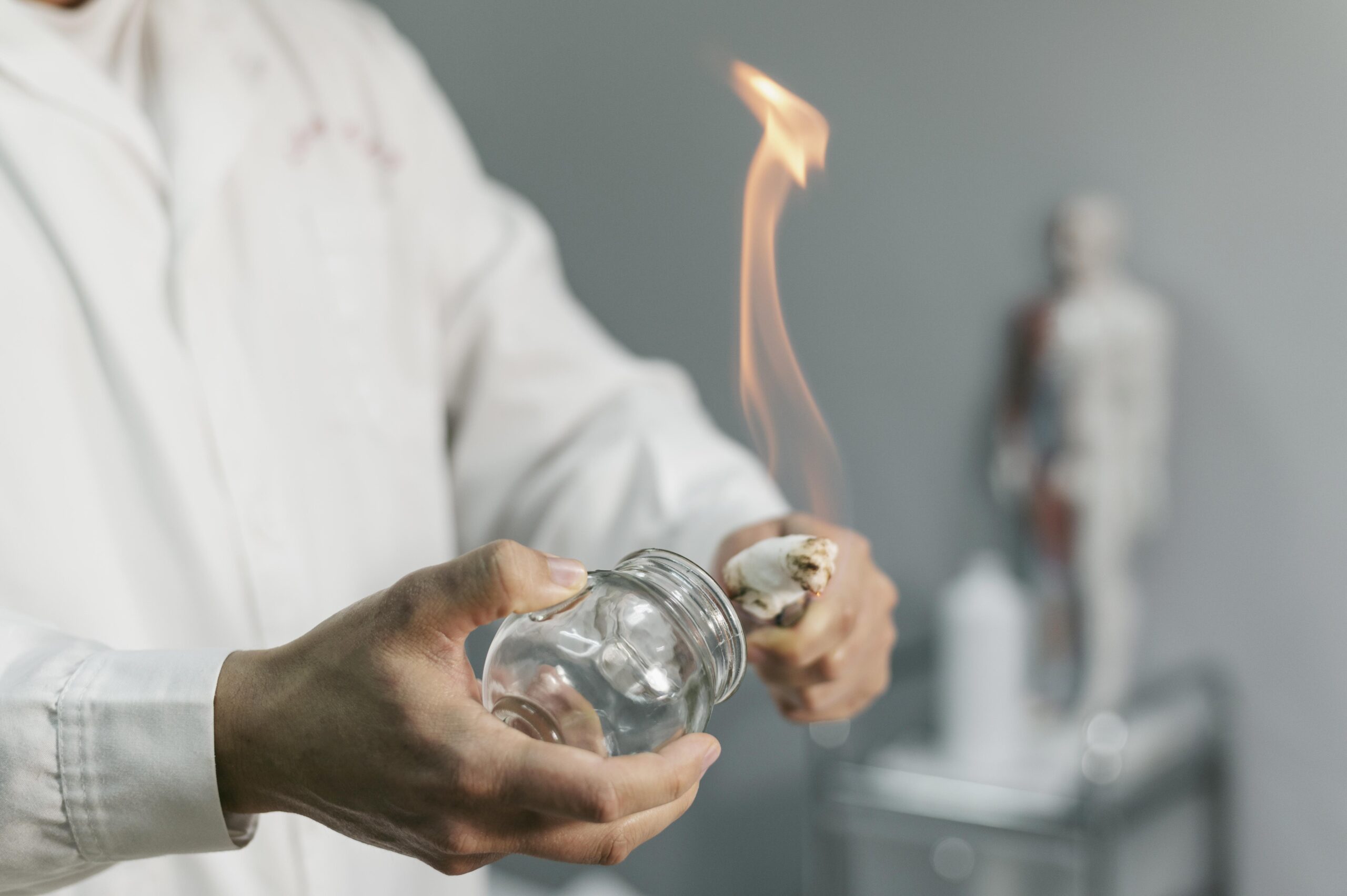
When you think about powerful healing traditions, what comes to mind? Modern hospitals are filled with beeping machines. Rows of prescription pills at the pharmacy? Now imagine something completely different: a system built not around quick fixes, but lasting balance — a system that has helped millions for over 2,000 years. That’s the magic of Traditional Chinese Medicine (TCM). And lately, the world can’t stop talking about it. From celebrities swearing by acupuncture to doctors suggesting herbal remedies along with prescriptions, TCM is no longer just an “alternative” therapy. It is now a rapidly growing component of modern wellness (and it may be just what you are missing). Let’s dive into the reasons for its enormous resurgence, its philosophies, treatments, and how it is seamlessly integrating into modern life. What is TCM (Traditional Chinese Medicine)? TCM (Traditional Chinese Medicine) is an ancient Chinese system of holistic healthcare. It sees the body as an integrated system comprised of organs, meridians (energy channels), and vital substances (Qi, Blood, and Fluid). TCM addresses the underlying root causes and not so much the symptoms in isolation. The basic methods of TCM are as follows: While Western medicine places greater importance on pathology, TCM is concerned with the holistic patient and focuses just as much on prevention as it does on curing the disease itself. The Ancient Foundations of TCM Traditional Chinese Medicine is rooted in more than 2,500 years of clinical practice and philosophical thinking. Unlike Western medicine, which often focuses on symptomatic relief, TCM looks at the body as a holistic system. Its aim? Restore balance and harmony. At the heart of TCM are key concepts like: These principles guide TCM’s diagnostic methods and treatments, offering a complete view of health — physical, emotional, and even spiritual. Why TCM is Experiencing a Global Revival Several forces are driving the renewed fascination with Traditional Chinese Medicine: 1. The Shift Toward Natural and Preventive Health Today’s consumers are more skeptical of synthetic drugs and their potential side effects. They’re seeking natural, preventive approaches rather than waiting for problems to escalate. TCM fits perfectly into this mindset by promoting wellness practices that strengthen the body before illness even strikes. 2. Holistic Healing Appeals to Modern Lifestyles Stress, poor diet, environmental toxins — these are the hallmarks of 21st-century living. Many health conditions today are chronic and lifestyle-related rather than purely infectious. TCM’s approach to treating the root cause, not just symptoms, resonates with people seeking deeper, long-term healing rather than temporary fixes. 3. Scientific Validation Is Growing Modern research has increasingly backed up TCM techniques. For example: TCM Technique Scientific Validation Acupuncture Shown to be effective for chronic pain, migraines, and even anxiety disorders (Harvard Health Publishing) Herbal Medicine Clinical trials reveal herbs like astragalus and ginseng can boost immune function Cupping Therapy Recognized for improving blood circulation and relieving muscle tension These findings provide the credibility and trust necessary for TCM to thrive globally. 4. Personalization in Medicine One-size-fits-all treatments are falling out of favor. Patients now demand personalized care. TCM has always been inherently customized — two people with the same Western diagnosis may receive completely different treatments depending on their TCM diagnosis. This hyper-personalized approach is seen as the future of healthcare, giving TCM a fresh spotlight. Core Components of TCM: How It Works For newcomers, TCM may seem mysterious. Let’s break down its main pillars: 1. Acupuncture Thin, sterile needles are inserted into specific points along the body’s meridians (energy pathways) to stimulate Qi flow. It’s widely used for: 2. Herbal Medicine TCM practitioners create personalized blends of herbs to nourish, detoxify, or regulate bodily functions. Popular herbs include: 3. Tui Na (Chinese Therapeutic Massage) A hands-on therapy combining acupressure, stretching, and massage to correct musculoskeletal issues and promote Qi circulation. 4. Cupping Therapy Using suction cups to create localized pressure, improve blood flow, and release toxins. 5. Moxibustion The burning of mugwort leaves near acupuncture points to warm and invigorate Qi. 6. Qi Gong and Tai Chi Mind-body exercises focusing on controlled breathing, movement, and meditation, promoting internal balance and strength. TCM vs. Western Medicine: A Complement, Not a Competition It’s crucial to understand that TCM doesn’t aim to replace Western medicine. Instead, it complements it. Many integrative healthcare models now include TCM alongside conventional treatments. For instance: Condition Western Approach TCM Approach Chronic Pain Painkillers, physical therapy Acupuncture, herbal anti-inflammatories Digestive Issues Antacids, diet changes Herbal remedies, acupuncture for the spleen and stomach Anxiety and Depression Antidepressants, psychotherapy Acupuncture, adaptogenic herbs This blend offers the best of both worlds: acute care from the West and chronic condition management and prevention from the East. The Future of TCM: Innovation Meets Tradition TCM is no longer confined to centuries-old apothecaries. In 2025, we’re seeing a wave of innovations: Modern practitioners integrate traditional knowledge with cutting-edge technology to deliver faster, safer, and more personalized treatments. And the global acceptance of TCM continues to grow. Countries like Singapore, Australia, the US, and many parts of Europe are expanding TCM regulations, making qualified practitioners more accessible. The world is waking up to what ancient practitioners knew all along: true health is about harmony, and TCM holds the key. Are you ready to experience it for yourself? Why Choose TCM in Singapore? Singapore is fast becoming one of Asia’s most trusted hubs for quality Traditional Chinese Medicine. Here’s why: If you’re considering TCM, it’s vital to choose a licensed provider with deep expertise. Experience the Healing Power of TCM at Life Medical Healthcare At Life Medical Healthcare, we bring the best of Traditional Chinese Medicine to Singapore. Whether you’re seeking relief from chronic pain, digestive disorders, stress, or simply wish to enhance your overall vitality, our team of certified TCM practitioners is here for you. Our services include: Experience how the ancient art of TCM can empower your modern life. Book your consultation today with Life Medical Healthcare.Natural healing is just a step away! Conclusion Traditional Chinese Medicine is more than just an old-fashioned approach—it is a living medical tradition that